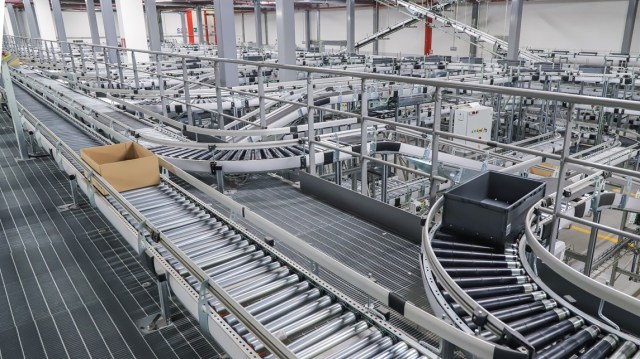
Why the Best Conveyor Projects Start with a Layout Review
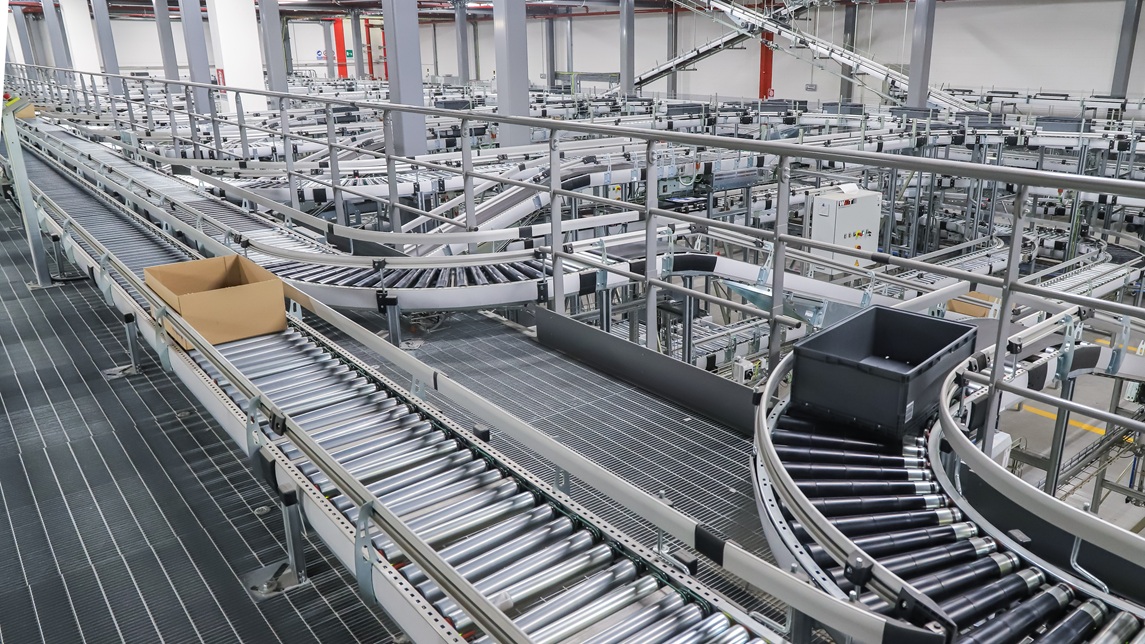
When evaluating a pallet conveyor system, many manufacturers, OEMs, and systems integrators begin by requesting pricing. While obtaining a budget quote is important, the most successful projects often start somewhere else: the layout.
A facility layout provides a complete picture of how products, operators, machines, workstations, and automation equipment interact. It frequently reveals requirements that may not appear in an RFQ or initial project description. Conveyor routing, pallet flow, workstation spacing, buffering requirements, accumulation zones, and product positioning all become clearer when engineers can visualize the entire process.
Whether working from a CAD file, PDF drawing, machine layout, or hand sketch, a conveyor application review allows engineering teams to identify opportunities and challenges before detailed design begins.
Why Layout Reviews Matter
Many projects begin with a simple request:
“We need a pallet conveyor.”
However, determining the right conveyor requires answering several important questions:
- How many stations are involved?
- What is the product weight?
- What cycle time is required?
- Is accumulation necessary?
- Will robotic interaction be required?
- Are lift-and-locate stations needed?
- Is future expansion anticipated?
The answers often become obvious when reviewing a layout.
A layout also helps identify bottlenecks and potential constraints that may impact system performance later in the project.
Common Issues Caught Early
A layout review often uncovers concerns such as:
- Insufficient workstation spacing
- Inadequate accumulation capacity
- Poor product flow
- Operator accessibility issues
- Missed opportunities to reduce overall footprint
- Future expansion limitations
Finding these issues during the concept phase can save substantial engineering time and cost later.
Designing Around the Process
No two applications are exactly alike. Some require precise positioning for assembly operations. Others need controlled product movement through testing stations, inspection cells, robotic loading systems, or packaging processes.
The most effective conveyor systems are designed around the process, not the other way around.
That starts with understanding the layout.
Conclusion
The best pallet conveyor projects don’t begin with a quote request. They begin with understanding how products move through production.
A simple layout review can help identify opportunities to improve efficiency, reduce engineering effort, support future growth, and minimize project risk before major decisions are made.
Whether you’re designing a new production line, integrating automation equipment, or evaluating conveyor options for an existing process, starting with a layout review is one of the most effective ways to ensure long-term success.
Have a Layout Ready?
Whether you have a CAD model, PDF drawing, RFQ package, facility layout, or even a hand sketch, Glide-Line’s application engineers can help evaluate your requirements and recommend the most effective solution.
Our team can assist with:
- Pallet sizing recommendations
- Conveyor system architecture
- Accumulation strategies
- Lift & locate integration
- Transfer solutions
- Layout optimization
- Budgetary quotation support
Related Solutions
- Pallet Conveyor Systems: https://www.glide-line.com/pallet-conveyor-systems/
- Timing Belt Lift & Locate Units: https://www.glide-line.com/equipment/timing-belt-lift-locate-units/
- Lift Transfer Units:https://www.glide-line.com/equipment/lift-transfer-units/
- Vertical Transfer Units: https://www.glide-line.com/equipment/vertical-transport-unit/
Ready to Review Your Application?
Upload your layout and let our team help develop a conveyor solution tailored to your process.
👉 Request a Free Application Review:
https://www.glide-line.com/contact-us/
👉 Talk to an Applications Engineer:
https://www.glide-line.com/contact-us/
👉 Request a Conveyor Concept or Budgetary Quote:
https://www.glide-line.com/contact-us/
👉Download our 3D configurator: